
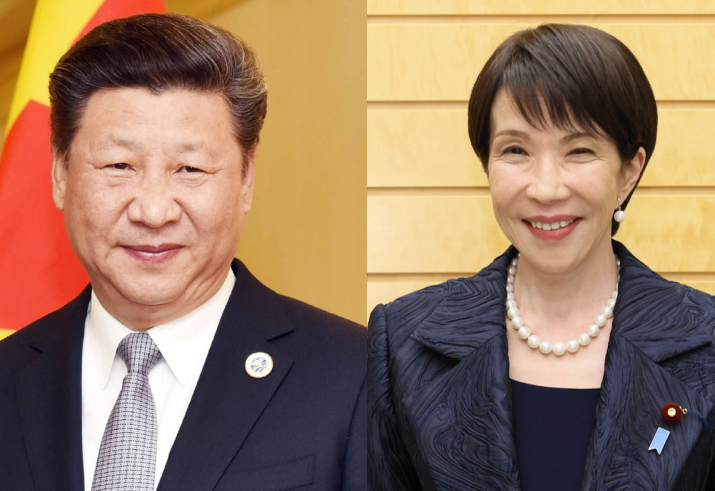
The current Japan-China crisis features significant information asymmetries that create strategic uncertainty complicating crisis management and business decision-making. Professor Liu Jiangyong’s revelation that “China’s countermeasures are all kept secret and will be rolled out one by one” exemplifies how deliberate opacity about future actions serves strategic purposes but creates challenges for actors attempting to assess risks and make informed decisions about how to respond to the crisis.
For Japanese businesses, the inability to anticipate future Chinese economic pressure creates planning challenges. Current impacts include travel advisories threatening tourism losses of approximately $11.5 billion, with over 8 million Chinese visitors in the first ten months of this year representing 23% of all arrivals, plus cultural restrictions and continued trade barriers. However, businesses cannot assess whether these represent the full extent of economic pressure or merely initial phases of more comprehensive campaigns that might include rare earth export restrictions or additional sectoral targeting.
The strategic use of information asymmetry gives China advantages in calibrating pressure. By keeping future actions secret, Beijing can observe Japanese responses to current measures before deciding whether to escalate, creating adaptive pressure campaigns rather than committing to comprehensive approaches upfront. This flexibility allows China to achieve diplomatic objectives with minimum necessary economic costs to itself, as excessive pressure that damages bilateral economic relations ultimately harms both countries.
However, information asymmetries also create risks of miscalculation and unintended escalation. If Japanese policymakers underestimate the scope or intensity of potential Chinese economic pressure, they may adopt diplomatic positions that prove unsustainable when fuller consequences become apparent. Conversely, if they overestimate potential Chinese actions, they may make unnecessary compromises based on fears of consequences that Beijing never intended to implement. Strategic opacity, while serving short-term tactical purposes, can complicate the signaling and communication necessary for stable crisis management.
For private sector actors, information asymmetries create particularly acute challenges. Small business owners like Rie Takeda must make decisions about maintaining capacity, managing inventory, and planning staffing without clear information about likely duration or ultimate scope of disruptions. The uncertainty itself imposes costs separate from actual economic impacts, as risk management becomes nearly impossible when the nature and probability of future shocks remain deliberately opaque. International relations expert Sheila A. Smith notes that domestic political constraints make compromise difficult for leaders in both countries, while the information asymmetries identified by Professor Liu mean private actors cannot even assess with confidence what range of outcomes they face as the crisis evolves through phases of graduated pressure whose scope and intensity remain secret by strategic design, creating endemic uncertainty that complicates all forms of planning and decision-making for the duration of the crisis.