
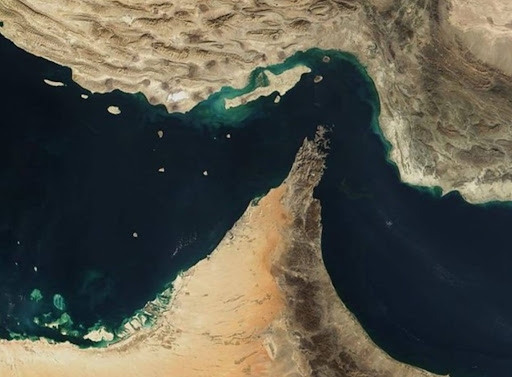
The Strait of Hormuz crisis is straining the transatlantic alliance in new ways, as the United States and its European partners take markedly different approaches to responding to Iran’s blockade of the world’s most critical oil shipping route. President Trump has called on the UK, France, and other European nations to send warships to the contested waterway, but Europe’s response has ranged from cautious deliberation to outright refusal — creating a visible gap between Washington’s assertive public posture and Europe’s more cautious strategic calculus. The divergence reflects deeper tensions about risk-sharing, strategic priorities, and the appropriate response to active military conflict.
Iran’s blockade began at the end of February as retaliation for US-Israeli airstrikes, generating the most severe oil supply disruption in history. One-fifth of global oil exports ordinarily flow through the passage. Tehran has attacked sixteen tankers, declared vessels bound for American or allied ports to be legitimate military targets, and threatened to mine the waterway. The active conflict environment is the central reason European nations have declined to commit forces — but their caution also reflects a different assessment of strategic interests and risk tolerance compared to Washington’s more interventionist stance.
France’s defence minister was the most explicit, ruling out any warship deployment while the conflict continued and emphasising France’s purely defensive posture. President Macron had described a future defensive escort mission as possible but conditioned it firmly on reduced fighting intensity. The UK confirmed discussions about mine-hunting drones but made no warship pledges. Germany questioned the effectiveness of the EU’s Aspides mission and doubted the wisdom of expanding it. The European response collectively reflects a preference for waiting until conditions change rather than acting in the current high-risk environment.
The tension between Washington’s expectations and European caution is not new — it has characterised many previous alliance debates over burden-sharing and military risk — but the Hormuz crisis gives it a particularly acute form. Trump’s assertion that many countries were already sending warships, when none had confirmed such plans, added to the strain by creating a public credibility gap between presidential claims and allied realities. For European governments that must balance their US alliance commitments with domestic political risk tolerance and their own strategic assessments, the pressure to commit forces on Trump’s timeline is difficult to absorb.
China’s diplomatic approach offers an interesting contrast to the transatlantic tensions. While the US and Europe debate burden-sharing and risk tolerance, Beijing is pursuing quiet diplomacy with Tehran about allowing tankers to pass — a strategy that requires no military commitment and leverages China’s unique relationship with Iran. The Chinese embassy confirmed China’s commitment to constructive regional engagement. US Energy Secretary Chris Wright expressed hope that China would prove a constructive partner, a sign that Washington sees diplomatic value in Beijing’s engagement even amid broader US-China strategic competition.