
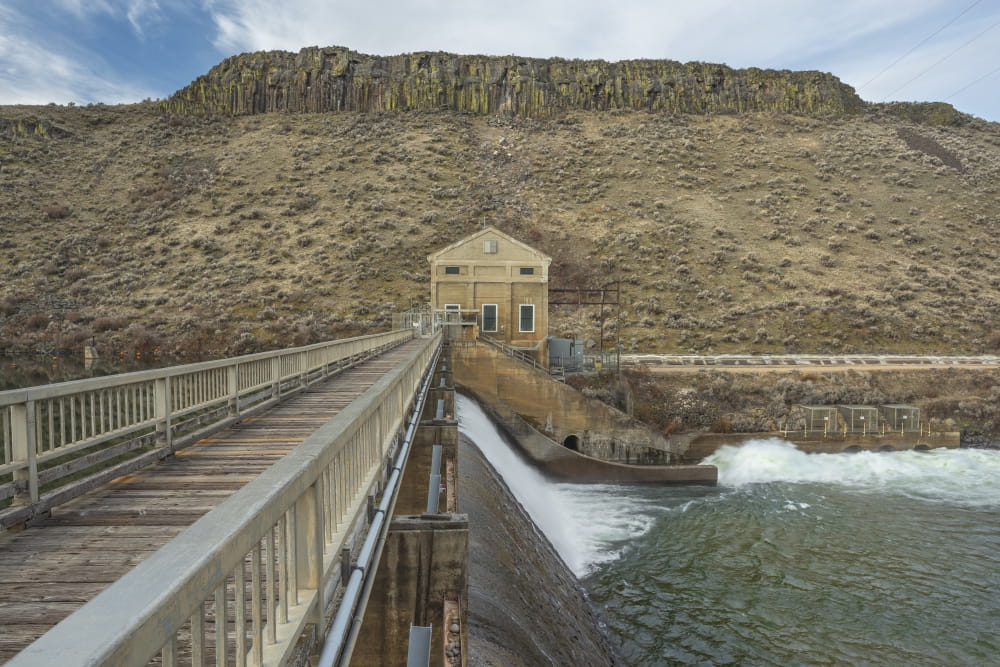
A series of strong cold fronts has brought much-needed rain to the Western Cape, leading to a significant rise in Cape Town’s dam levels. Earlier this year, authorities were concerned about the water levels, which were considerably lower compared to the previous year. However, the recent heavy rains have shifted this concern to cautious optimism.
As of Wednesday, the dam levels across Cape Town’s six major reservoirs have surged to 67.8%, a substantial increase from the 48.3% recorded just a week ago. This increase is crucial as the City of Cape Town and the National Department of Water and Sanitation closely monitor these levels to determine water availability for the area and decide if water restrictions are necessary for residents and businesses.
The dams around Cape Town are a key component of the Western Cape Water Supply System, an integrated network that includes dams, pump stations, pipelines, and tunnels. This system not only provides water to Cape Town but also serves towns in the Overberg, Boland, West Coast, and Swartland areas, and supports agricultural irrigation needs.
Maintaining adequate water levels in these dams is vital for the Mother City’s water supply and the surrounding regions. The recent rise in water levels has alleviated some of the pressure felt by officials and residents alike, providing a buffer against potential water shortages in the near future. However, while the recent rainfall offers temporary relief, ongoing monitoring and management remain essential to ensure long-term water security for the region.