
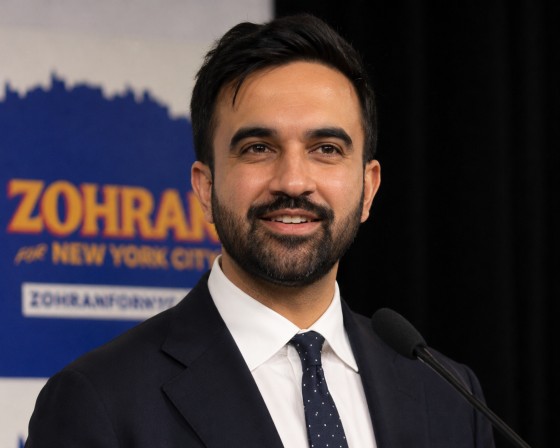
New York City Mayor Zohran Mamdani has conceded that the city lacks the legal authority to detain Israeli Prime Minister Benjamin Netanyahu if he visits the U.S. later this year, despite an arrest warrant issued by the International Criminal Court (ICC). In a social media video, Mamdani revealed that his administration had explored all legal avenues related to the ICC’s warrant but ultimately determined that New York City cannot enforce it.
Nonetheless, Mamdani urged the U.S. federal government to acknowledge the ICC’s warrant and take appropriate action. He labeled Netanyahu a war criminal and stated that neither the Israeli leader nor any other person accused of similar charges would be welcome in New York City. Netanyahu is anticipated to visit New York in September for the United Nations General Assembly, a visit that has drawn Mamdani’s attention since his mayoral campaign, during which he vowed to investigate enforcing the ICC warrant upon Netanyahu’s arrival.
The ICC’s warrant against Netanyahu, issued in 2024, is based on alleged war crimes. However, the United States does not recognize the ICC’s jurisdiction and is not a member of the court. This stance complicates any potential action against Netanyahu during his visit. Despite Mamdani’s calls for federal action, the U.S. government’s position remains unchanged, as it does not participate in the ICC.
Former U.S. President Donald Trump has criticized Mamdani’s statements, asserting that Netanyahu would not face arrest on U.S. soil and defending the Israeli prime minister’s actions. The controversy has drawn attention to the ongoing debate over international law enforcement and diplomatic relations, particularly regarding the ICC’s influence on non-member countries like the United States.
In response to the situation, Netanyahu has dismissed the concerns raised by Mamdani, expressing confidence that the mayor’s remarks do not affect his plans or his standing internationally. As the date of his expected visit approaches, the issue remains a focal point of international and domestic discourse, highlighting the complexities of global justice and diplomacy.