
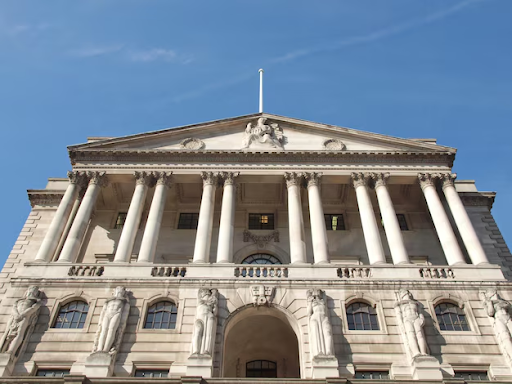
The Bank of England has maintained interest rates at 3.75%, emphasizing that future decisions will be data-dependent rather than following a predetermined path. This approach reflects genuine uncertainty about the economic outlook.
The monetary policy committee’s 5-4 vote demonstrated that policymakers are closely monitoring incoming data rather than operating on autopilot. Four members believed current data already justified a cut, while five felt more information is needed. This data-dependent approach means March’s decision genuinely depends on what economic indicators show.
Governor Andrew Bailey highlighted specific data points that will matter: inflation approaching 2% by spring, growth evolving, and employment trends. His endorsement of 50-50 odds for March confirms that the decision isn’t predetermined but will respond to whether these indicators evolve as forecast.
Key data releases before March include January and February inflation figures, labor market statistics, and any early business surveys reflecting responses to policy announcements. If inflation falls faster than expected toward 2%, the case for March cuts strengthens. If it proves stickier, the case weakens.
The data-dependent approach can create volatility in market expectations as each release shifts probabilities. However, it ensures policy responds appropriately to actual economic conditions rather than stale forecasts. Economic projections show GDP growth of 0.9% and unemployment reaching 5.3%, but actual data may diverge. Chancellor Rachel Reeves’s budget measures, including utility bill cuts and rail fare freezes from April, take effect after March’s decision, so their impact won’t yet show in data. Inflation is projected to reach 2.1% by mid-2026, but the path toward that outcome will determine the pace of rate cuts.