
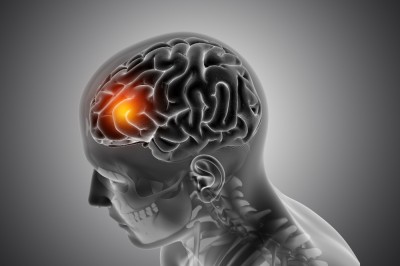
Sudden shifts in a person’s behavior can often be traced back to stress, anxiety, or emotional struggles. However, medical professionals warn that in some instances, such dramatic changes might indicate a neurological issue, possibly a brain tumor. Neurologists point out that family members are frequently the first to notice these unusual behavioral changes, such as when a typically calm and patient person becomes irritable, a cheerful individual turns withdrawn, or someone who is usually organized and attentive starts forgetting important details.
Experts stress that one of the main warning signs is the sudden onset of these changes, especially when there is no obvious cause like work-related stress, personal issues, or other stressful events. Unlike psychological factors that tend to change behavior gradually, neurological changes might persist or even worsen over time. This is because the brain is responsible for controlling personality, emotions, judgment, and decision-making. When a tumor forms in areas that manage these functions, the first symptoms might be changes in thinking, mood, and social interactions rather than clear physical problems.
These personality changes often begin subtly, with signs that may include increased aggression, emotional detachment, impulsive behavior, difficulty concentrating, memory issues, or actions that seem completely out of character. However, behavioral changes associated with brain tumors are unlikely to occur in isolation. They are often accompanied by other symptoms such as persistent headaches, unexplained nausea, vision problems, seizures, difficulties with balance, or weakness in an arm or leg.
Doctors emphasize that not every sudden personality change signals a brain tumor, as many medical and psychological conditions can produce similar symptoms. Nevertheless, if unusual behavior appears alongside neurological or physical problems, seeking medical advice and undergoing appropriate tests is crucial. Early diagnosis is key to identifying the underlying cause and ensuring prompt treatment if necessary.