
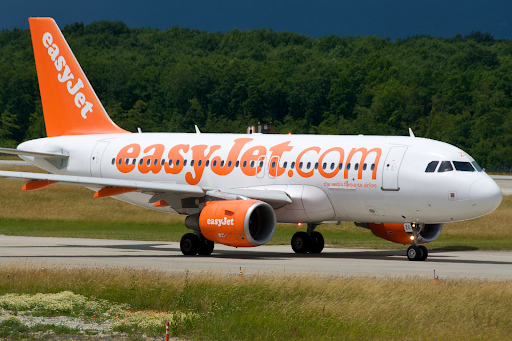
EasyJet’s chief executive has highlighted cross-subsidy concerns with European Union baggage proposals, arguing that forcing all passengers to pay for services benefits only some creates economic inefficiencies.
Proposed legislation would mandate free cabin baggage across European aviation. Parliamentary approval has advanced regulations requiring airlines to provide allowances for both personal items and larger carry-on luggage to all passengers.
Kenton Jarvis emphasizes that cross-subsidies distort economic incentives and reduce overall efficiency. When passengers who don’t use baggage services must pay the same as those who do, resources are allocated suboptimally and consumer welfare decreases.
Current market-based pricing avoids these cross-subsidy problems by matching costs with consumption. Passengers pay for services they actually use, creating economically efficient outcomes that maximize overall consumer welfare.
The regulations would also eliminate significant revenue that EasyJet currently generates from optional services. The carrier generates billions annually from ancillary fees while reporting quarterly losses of £93 million and pursuing expansion strategies.