
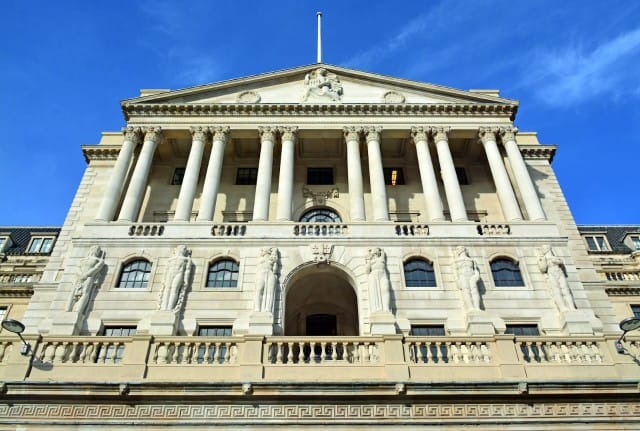
Homeowners can anticipate some relief as the Bank of England is widely expected to cut interest rates this Thursday, a move that will likely translate into lower mortgage payments. The predicted quarter-point reduction to 4% is a strategic response to the UK’s persistent economic headwinds, including rising unemployment and the disruptive effects of new US tariffs imposed by Donald Trump. This would mark the fifth rate cut since last August, signaling the central bank’s proactive stance.
Chancellor Rachel Reeves is poised to welcome the decrease, as it aims to provide much-needed relief to households and support cash-strapped businesses by reducing borrowing costs. However, the government’s dual challenge of boosting growth while reining in spending remains. The UK economy shrank in May by 0.1% and in April by 0.3%, a contraction largely attributed by economists to the uncertainty stemming from Trump’s tariffs and the recent implementation of new business taxes.
The labor market, too, shows signs of distress, with job vacancies falling below pre-pandemic levels and the unemployment rate climbing to 4.7% in the three months to May, its highest since June 2021. This weakening employment picture adds urgency to the Bank’s decision to stimulate economic activity.
Despite a previously signed trade deal with the UK, President Trump’s recent announcement of additional import tariffs of up to 50% on other trading partners is set to harm global growth, with inevitable repercussions for the UK. The International Monetary Fund (IMF) recently tempered its outlook for the UK economy, predicting only modest expansion for the remainder of the year. The MPC’s fresh forecasts on Thursday could paint an even bleaker picture, indicating an imminent period of stagflation, marked by a slowdown in growth and stubbornly high inflation, currently at 3.6% CPI.