
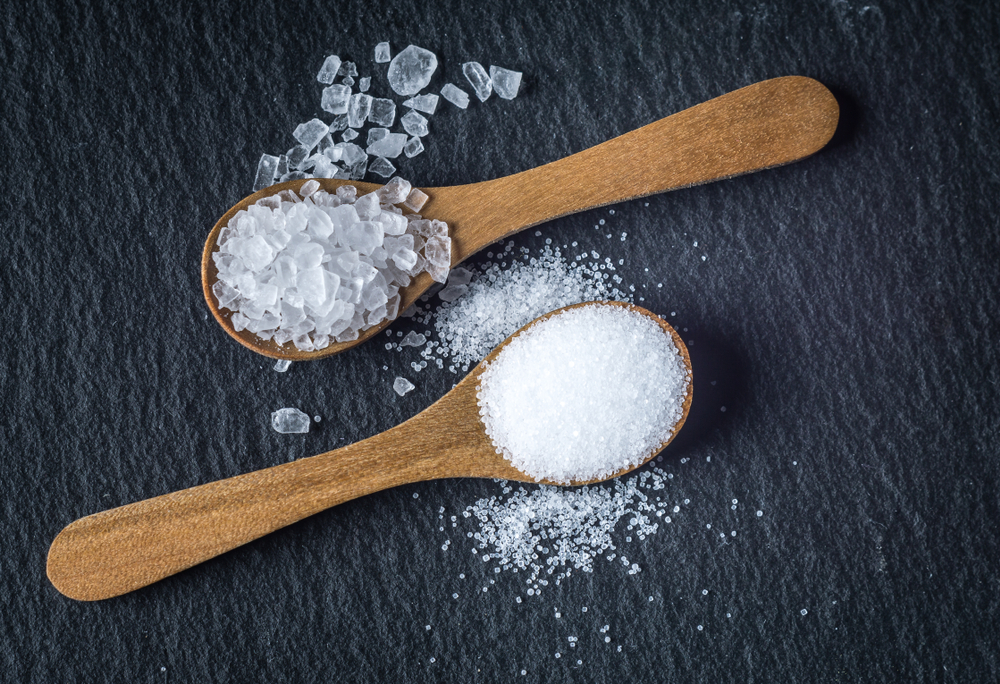
The specialty salt market has exploded as consumers seek healthier alternatives to traditional table salt. Brands promote exotic origins and minimal processing as indicators of superior nutritional value, convincing shoppers that spending more on salt equals better health outcomes.
Nutritional science paints a different picture entirely. Research demonstrates that all salt varieties are essentially identical in their primary component: sodium chloride. The microscopic mineral differences between specialty and regular salts have no measurable impact on human health or nutrition.
The critical health factor remains total sodium intake, regardless of salt type. Consuming too much salt increases blood pressure, creating dangerous conditions that lead to heart disease, stroke, and kidney problems. Medical professionals consistently recommend limiting daily salt consumption to six grams or less.
Effective health strategies involve reducing overall salt usage rather than switching to premium varieties. Monitor sodium content in packaged foods, restaurant meals, and cooking ingredients. Gradually decreasing salt consumption while increasing herbs and spices creates healthier eating patterns without sacrificing flavor.