
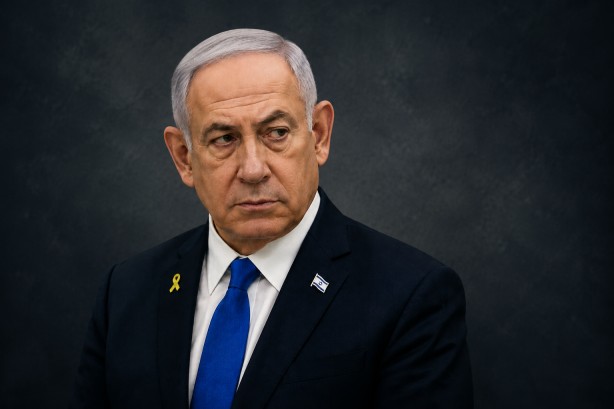
Israeli Prime Minister Benjamin Netanyahu is facing sharp criticism from Israeli media as tensions between Israel and Türkiye escalate. Concerns are mounting over his government’s policies potentially sparking another regional conflict. This comes in the wake of Israel’s military action on August 18, targeting the Abu al-Duhur military air base in Syria. Israeli publications have raised alarms about the possibility of an expensive political and military confrontation with Türkiye, urging a stronger focus on diplomacy and a well-defined regional strategy.
Amid these developments, Syrian Foreign Minister Asaad Hassan al-Shaibani announced that Damascus has halted contacts with Israel following the August strike. He voiced mistrust towards the Israeli leadership while emphasizing Syria’s commitment to continue its defense cooperation with Türkiye, which includes military training and support. The move underscores the complex geopolitical dynamics involving Israel, Syria, and Türkiye.
Turkish Foreign Minister Hakan Fidan has weighed in on the issue, stating that there is no justification for a direct conflict between Türkiye and Israel. However, he criticized Netanyahu for what he perceives as increasingly aggressive rhetoric, attributing it to domestic political pressures within Israel.
Meanwhile, Israeli media outlets like Ynet and Maariv have echoed these concerns, with Ynet cautioning that rising tensions with Ankara could open a new front in Israel’s regional conflicts. Maariv has reported anxiety among senior Israeli officials about the dangers of further escalation, highlighting the broader implications of deteriorating relations with Türkiye.
The situation calls for careful navigation, as the potential fallout from heightened tensions could have significant consequences for regional stability. Critics are urging the Israeli government to prioritize diplomatic channels to mitigate risks and maintain regional peace.