
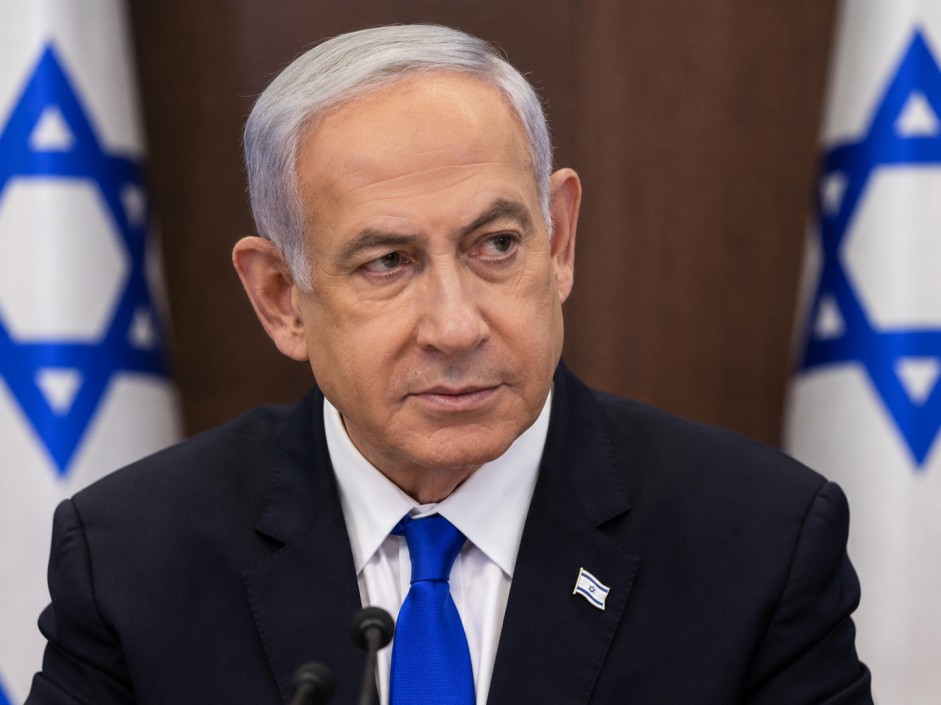
Israeli Prime Minister Benjamin Netanyahu has issued a stern warning to Iran, stating that any future attacks on Israel would provoke a significantly stronger military response. Speaking at an event in Dimona, Netanyahu emphasized that Israel is ready for all possible scenarios and will retaliate with greater force than in past operations if Iran attempts to strike again. He underscored Israel’s commitment to decisively countering any threats to its security.
This warning arises amid escalating tensions in the Middle East, marked by renewed hostilities between the United States and Iran. Iran has launched attacks targeting several U.S. allies in the region, and reports have surfaced of explosions occurring at multiple sites within Iran. These developments have heightened the risk of broader regional conflict.
In a related move, the United States has announced a shift in its approach to the strategically crucial Strait of Hormuz. President Donald Trump has opted to abandon plans for a proposed transit fee, choosing instead to focus on encouraging future trade and investment agreements with Gulf nations. This policy change reflects ongoing efforts to manage the complex geopolitical dynamics of the area.
Amid these rising tensions, the European Union Aviation Safety Agency (EASA) has updated its guidance for airlines. The agency is advising carriers to steer clear of airspace over several Gulf countries due to increased security risks. This precautionary measure highlights the growing concerns about potential threats to civilian aviation in the region.
Efforts to de-escalate the situation continue, with regional mediators engaged in diplomatic initiatives aimed at reducing tensions and reviving negotiations. Despite the challenging circumstances, there is an ongoing push to find a peaceful resolution to the current crisis and stabilize the region.