
The climate summit in Belem, Brazil, is a story of stark contrasts. On one hand, Brazil’s ambitious proposal for a new forest fund has already secured $5.5 billion in pledges, led by Norway. On the other, the leaders of the planet’s top three polluters—the US, China, and India—are absent.
This “reduced participation” undermines the call for global unity and drew a sharp rebuke from UN Secretary-General António Guterres, who warned of “moral failure” and “fossil fuel interests” driving the world toward climate catastrophe.
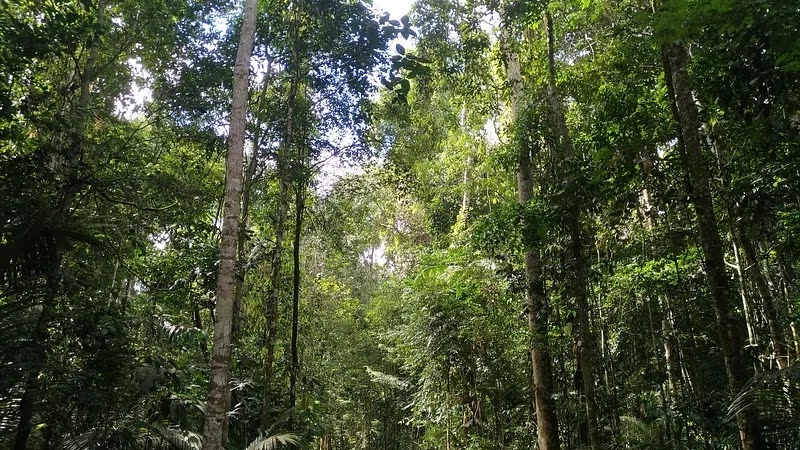
Despite the absences, Brazil’s President Luiz Inácio Lula da Silva is forging ahead. His “Tropical Forests Forever Facility” is a new economic model designed to pay 74 developing countries to halt deforestation.
The fund will be financed by interest-bearing debt from wealthy nations and investors, a move intended to make preservation more profitable than destruction. The symbolic location in the Amazon, a critical carbon sink, highlights the plan’s urgency.
A significant 20 percent of the fund is also earmarked for Indigenous peoples, recognizing their vital role. The question now is whether this financial momentum can overcome the political fragmentation.