
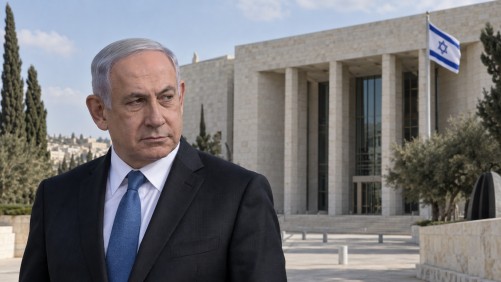
In a move that could reshape Israel’s judicial landscape, Prime Minister Benjamin Netanyahu’s government is set to revive and broaden its efforts to overhaul the country’s judicial system. The proposed reforms, which were initially paused following the October 7 attacks and the establishment of a unity government, aim to alter the Supreme Court’s role, judicial appointments, and the court’s legislative review powers.
The plan includes significant restrictions on the Supreme Court’s capacity to invalidate legislation and limits on who can bring petitions before the court. Proponents argue these changes would empower the Knesset and curtail judicial interference in legislative matters decided by elected officials. However, critics fear that reducing judicial oversight could undermine checks on government power and increase political influence over the judiciary.
Key among the changes is an overhaul of the process for appointing Supreme Court justices. Legislation already passed, though not yet implemented, removes veto power from professional representatives. Instead, appointments would require collaboration between the ruling coalition and opposition, with provisions for each side to appoint a justice in the event of a stalemate.
The composition of the Supreme Court is also poised for transformation, as four justices have retired after reaching mandatory retirement age, leaving 11 judges on the 15-member court. With six more justices nearing retirement within the next three years, the upcoming government could wield substantial influence over the court’s future makeup.
Beyond the judiciary, the proposed reforms could impact other public policy areas, such as media regulation and religious affairs. Measures concerning media oversight and the Orthodox religious establishment have already faced criticism from those advocating for strong judicial checks to uphold individual and minority rights.
As Israel approaches its next election, the debate over these judicial reforms is expected to remain a central issue, with the Supreme Court’s composition and powers at the heart of discussions about the nation’s governance system.