
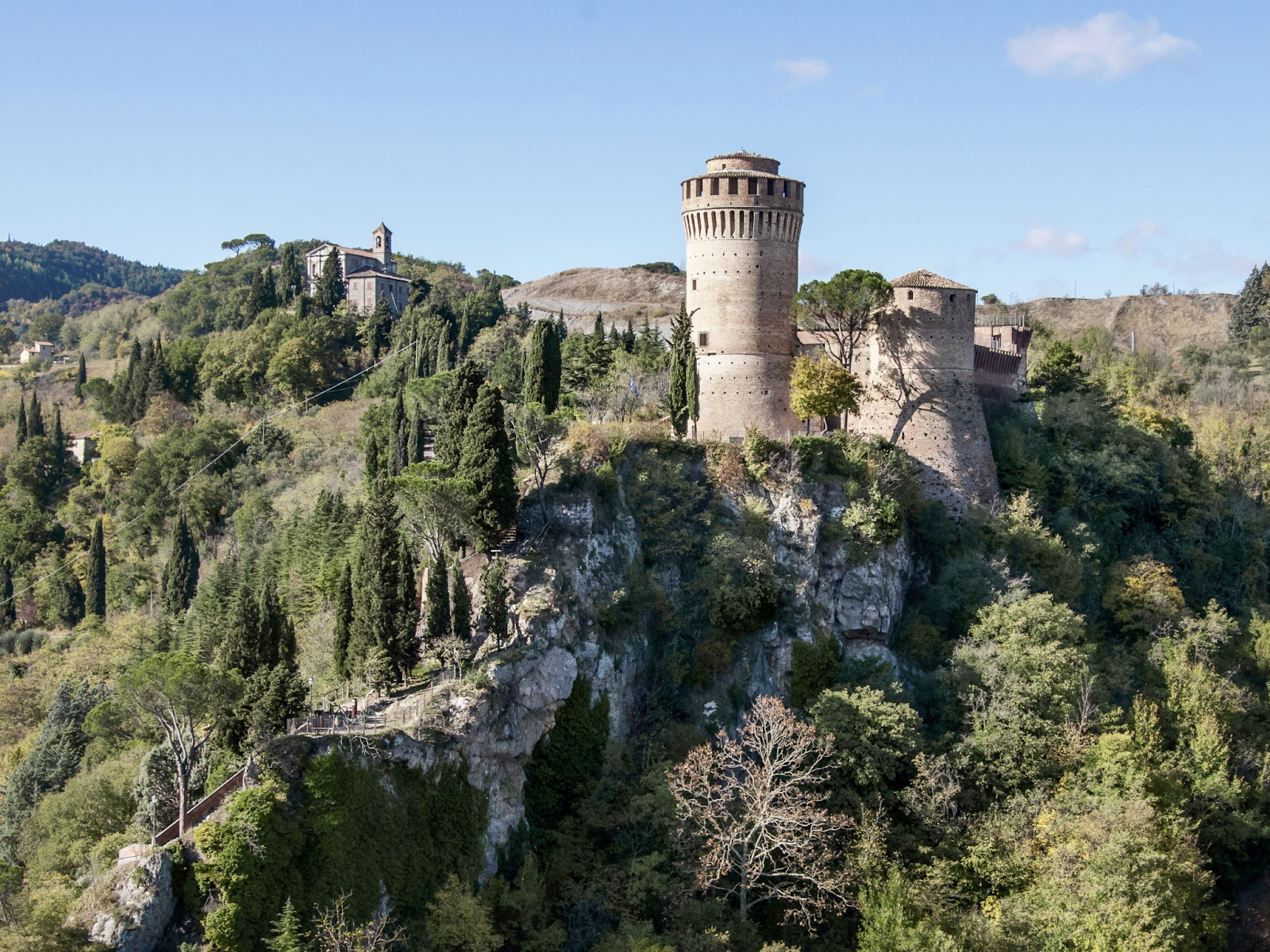
Beyond the iconic castles of the North, the region of Basilicata in Southern Italy stands as a largely unexplored heartland of medieval and Roman power. This region offers a staggering density of historical architecture, much of which remains untouched by mass tourism, providing an unparalleled look at Italy’s layered past.
A prime example of this is the area surrounding the town of Melfi. This small but historically vital town is dominated by its magnificent Norman castle, one of the most important medieval military structures in Southern Italy. It is merely one jewel in a regional crown of impressive strongholds and royal residences.
The Basilicata countryside is dotted with other breathtaking examples, including the castles and palaces at Lagopesole and Pietragalla. These sites are not only grand in their scale but are remarkably well-preserved, standing as silent testaments to centuries of conflict and aristocratic life. Their comparative obscurity only enhances the sense of discovery for the few who venture here.
The historical depth of the region is further underscored by the town of Venosa, the birthplace of the revered Roman poet Horace. Despite its modest size today, Venosa preserves significant Roman remains, ancient Jewish catacombs, and its own striking castle, completing a timeline that stretches from antiquity to the medieval era.
This profound historical solitude is a defining feature of the “Hidden Italy,” a theme echoed by other quiet destinations. For instance, the working fishing port of Chioggia serves as an authentic “little Venice,” while the Apennine villages offer culinary delights like truffles and sweet wines, all untouched by the commercialization of more famous sites.