
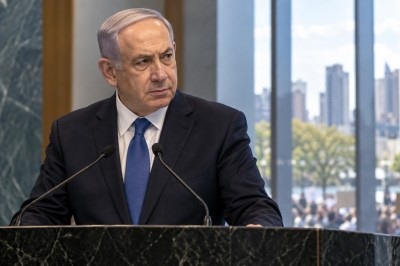
Israeli Prime Minister Benjamin Netanyahu is poised to address the United Nations General Assembly amid mounting protests and international criticism of Israel’s policies and military actions. The address, set in New York, comes as Israel faces diplomatic pressure over its stance in Gaza and the West Bank.
Netanyahu is expected to use his platform at the UN to outline what his government sees as achievements in ongoing conflicts involving Gaza, Lebanon, and Iran. His speech will likely emphasize Israel’s position on regional security and the broader implications of the war. Meanwhile, protests are anticipated around the UN headquarters, organized by Palestinian representatives and advocacy groups, with some planning demonstrations and walkouts during Netanyahu’s appearance.
Israel’s policies have drawn criticism from several Western governments, particularly concerning settlement expansions and the humanitarian conditions in Gaza. These issues have heightened international scrutiny of Israel’s actions and policies in these territories.
Daniel Danon, Israel’s ambassador to the UN, defended the country’s record, citing challenges faced since the attacks on October 7. He argued that international criticism has been swayed by misinformation, a claim reflecting the ongoing tension between Israel and some of its critics.
Netanyahu’s visit to the UN also coincides with Israel’s upcoming elections, adding a domestic political layer to his international engagement. His speech is expected to address both global audiences and Israeli voters, potentially influencing public opinion at home as elections approach.
Additionally, Netanyahu’s appearance is set against the backdrop of questions about future U.S.-Israel relations. Key issues include continued American military support and disagreements over settlement policies and the conflict in Gaza. Danon expressed confidence in the endurance of the security relationship between Israel and the United States, despite the growing criticism Israel faces on the international stage.